Signs of thaw in China-Canada relations









Canadian Prime Minister Mark Carney's four-day visit to China beginning Wednesday is the first by a Canadian prime minister in eight years. The visit is widely seen as a clear signal of Ottawa's adjustment in its policy toward Beijing. Amid intense global geopolitical shifts and increased uncertainty in the world economy, this visit not only bears on relations between the two countries, but also reflects Canada's concrete efforts to seek strategic autonomy.
Sino-Canadian relations have seen fluctuations in recent years. Ottawa's illegal detention of a senior Chinese executive Meng Wanzhou in 2018 led to a rapid deterioration of ties, damaging political trust, disrupting high-level dialogues and hindering economic and trade cooperation. In addition, Canada followed some Western countries to interfere in China's internal affairs relating to the Xinjiang Uygur autonomous region, Hong Kong and Taiwan, and even slapped punitive tariffs on Chinese products, including a 100 percent tariff on Chinese electric vehicles.
These moves didn't generate the results Ottawa had wanted. Instead, they led to considerable economic pain for Canada's agriculture and other sectors. China, a vital market for Canada's canola products, imposed 100 percent tariff on its rapeseed oil and other agricultural products. Meanwhile, competitors such as Australia steadily expanded their rapeseed exports to China at the expense of Canada.
One major reason that has prompted Ottawa to reconsider its relationship with Beijing is the change in the external environment. The United States led by President Donald Trump has intensified the "America First" policy, slapping extensive tariffs on its allies including Canada. The Trump administration has even said that Canada should become "the 51st state of the US".
Such unpredictability from a traditional ally has made Ottawa realize the perils of relying too much on a single partner. A release from the Canadian Prime Minister's Office says the country is "forging new partnerships around the world to transform our economy from one that has been reliant on a single trade partner, to one that is stronger and more resilient to global shocks".
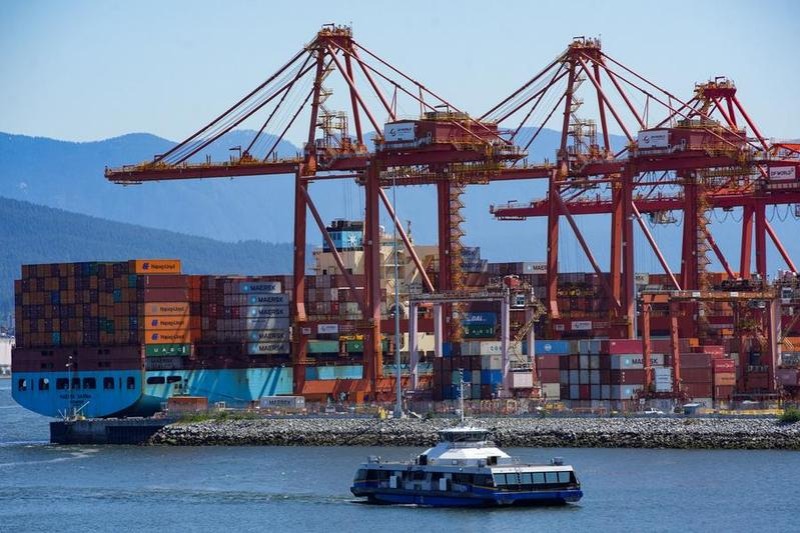
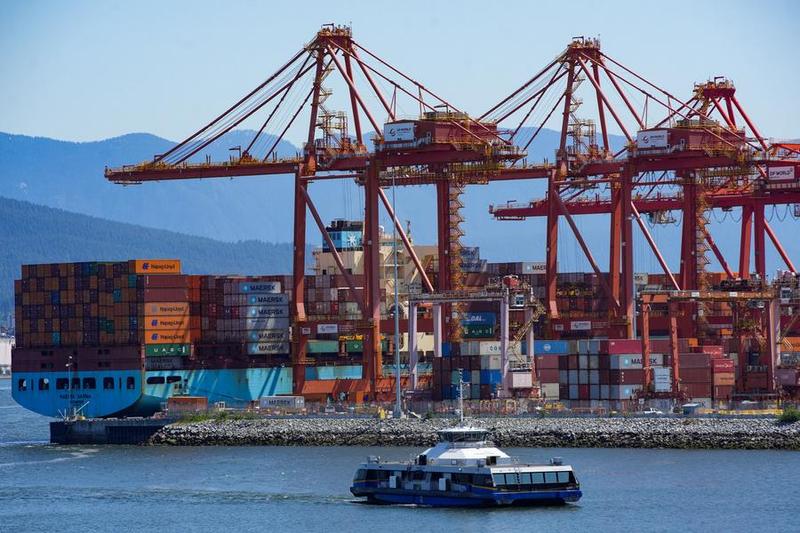
Trade data also underscore the necessity of Canada's policy shift. In 2024, trade in goods between Canada and China reached 117.4 billion Canadian dollars ($84.6 billion), when China continued to be Canada's second-largest trading partner. Despite a trade deficit with China of about 57.8 billion Canadian dollars in 2024, the importance of the Chinese market to Canada's resource-based economy is undeniable, especially when Canada is promoting export diversification and reducing reliance on the US.
Carney's visit is expected to focus on topics including trade and energy, Ottawa said. These are where the two countries share notable common interests. Canada's high-quality wheat, peas, beef and seafood are in demand among China's middle class. With better alignment on food standards and supply-chain transparency, Canadian agricultural products could expand their share in the Chinese market.
Bilateral energy cooperation is of strategic significance. Canada has the fourth-largest natural gas reserves in the world, while China is accelerating its efforts to optimize its energy mix and reduce reliance on coal. Canada's strength in carbon capture and hydrogen energy technologies aligns well with China's vast market for these technologies and decarbonization goals.
Of course, economy and trade alone cannot thaw relations between the two countries. Rebuilding political trust is equally crucial. In recent years, Canada has made inappropriate statements on issues involving China's core interests, damaging mutual trust. Ottawa needs to demonstrate clearer strategic resolve, and make independent judgments and rational statements based on facts and international law.
It was heartening to see leaders of China and Canada meet on the sidelines of the APEC Economic Leaders' Meeting in Gyeongju, the Republic of Korea, in October last year. Both sides reached important understandings on improving Sino-Canadian relations. Foreign ministers and senior officials from both sides engaged in a series of exchanges last year, contributing to a relatively favorable atmosphere for Carney's visit.
But one visit cannot solve all the problems in bilateral ties. Canada still needs to transcend the mindset of "alliances based on values", discard ideological bias, view China's development objectively and avoid addressing short-term political needs at the expense of long-term and shared interests of both sides. China stands ready to cooperate with various countries, including Canada, to cope with the complex external environment and the profound changes that are reshaping the world.
Carney's visit may not immediately reverse years of accumulated issues, but it sends a positive signal: dialogue is better than confrontation, and cooperation is better than decoupling. If both sides pragmatically advance specific projects and patiently resolve issues caused by frictions in the past, it is entirely possible for bilateral relations to get back on the right track.
The author is a research fellow at the Center for Canadian Studies of Guangdong University of Foreign Studies.
The views don't necessarily reflect those of China Daily.
If you have a specific expertise, or would like to share your thought about our stories, then send us your writings at opinion@chinadaily.com.cn, and comment@chinadaily.com.cn.