


Re-tuning their aerials to get a better reception
Snowboarders and skiers are pushing new boundaries to impress judges









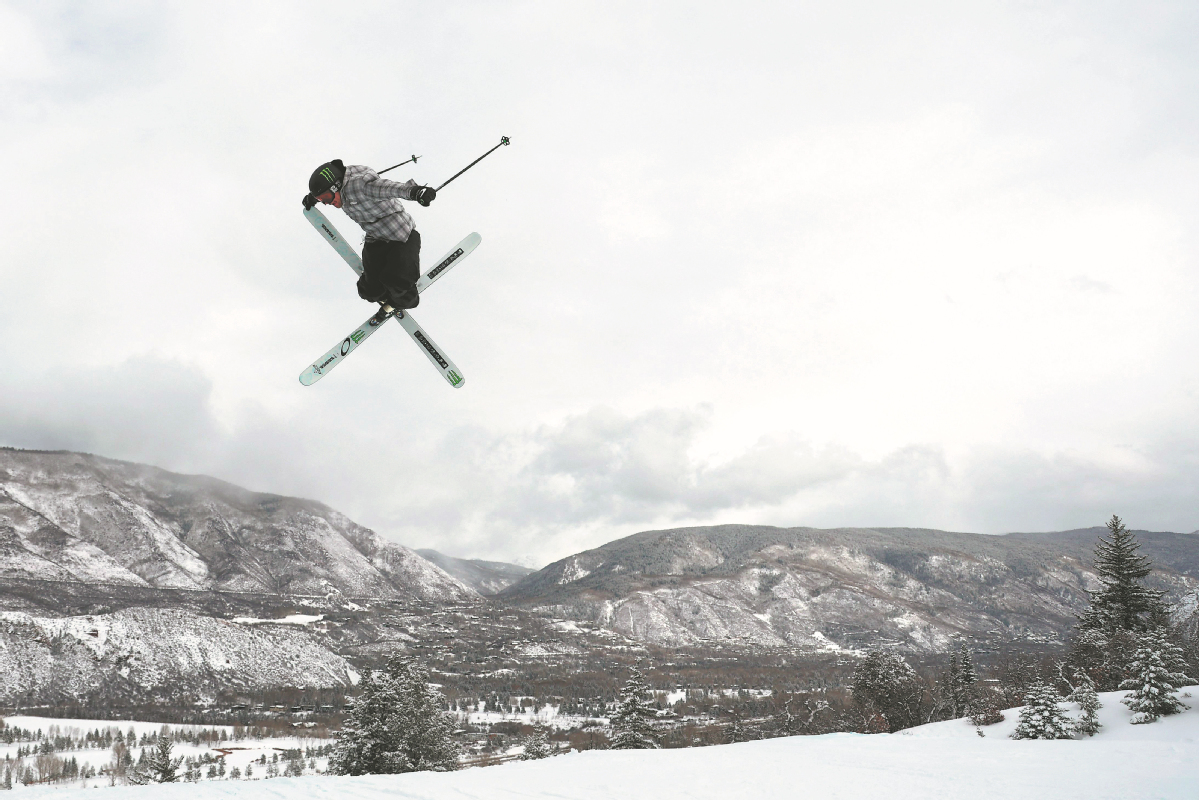
Aerial tricks in free skiing and snowboarding are becoming increasingly difficult and more dangerous, as athletes push technical boundaries ever further to stay competitive.
Riders say they need to be creative and more willing to take risks to land a medal at next month's Milano-Cortina Winter Olympics in Italy.
American free skier Colby Stevenson claimed a silver medal at the 2022 Beijing Olympics by landing a trick he had never tried, even in practice.
Stevenson specializes in slopestyle and big air, two events that feature aerial twists, flips and spins that provide some of the biggest spectacles of the Winter Games.
Competitors in free skiing and snowboarding often adjust their runs at the last minute based on injuries, snow and weather conditions, or how their rivals have performed.
"That's how I won my silver medal,"Stevenson told reporters. "I tried a trick that had been on my mind for a couple of years and it went my way."
Athletes have been rolling out bigger spins, off-axis rotations and more inventive grabs, pushing judges to rethink how they score the sport.
With more riders attempting similar high-risk tricks, panels say they are placing greater weight on clean landings, control and height to distinguish standout runs, as the technical bar continues to rise.
This year's Olympic snowboarding and free skiing events will take place in Livigno, a resort town in the Italian Alps near the border with Switzerland.


Most Popular
- Changchun unveils mascots and more for the 2027 Winter Universiade
- Thousands of cherry blossoms, crabapples line upcoming Wuhan Marathon route
- Chinese F1 fans join global slipstream
- Hainan looks to capitalize on the DP World Tour's return to China
- DP World Tour Hainan Classic tees off with 120 players from 27 countries and regions
- Chongqing teen wins Junior Dance Tour at Juste Debout world final