


Sichuan festival celebrates ethnic music










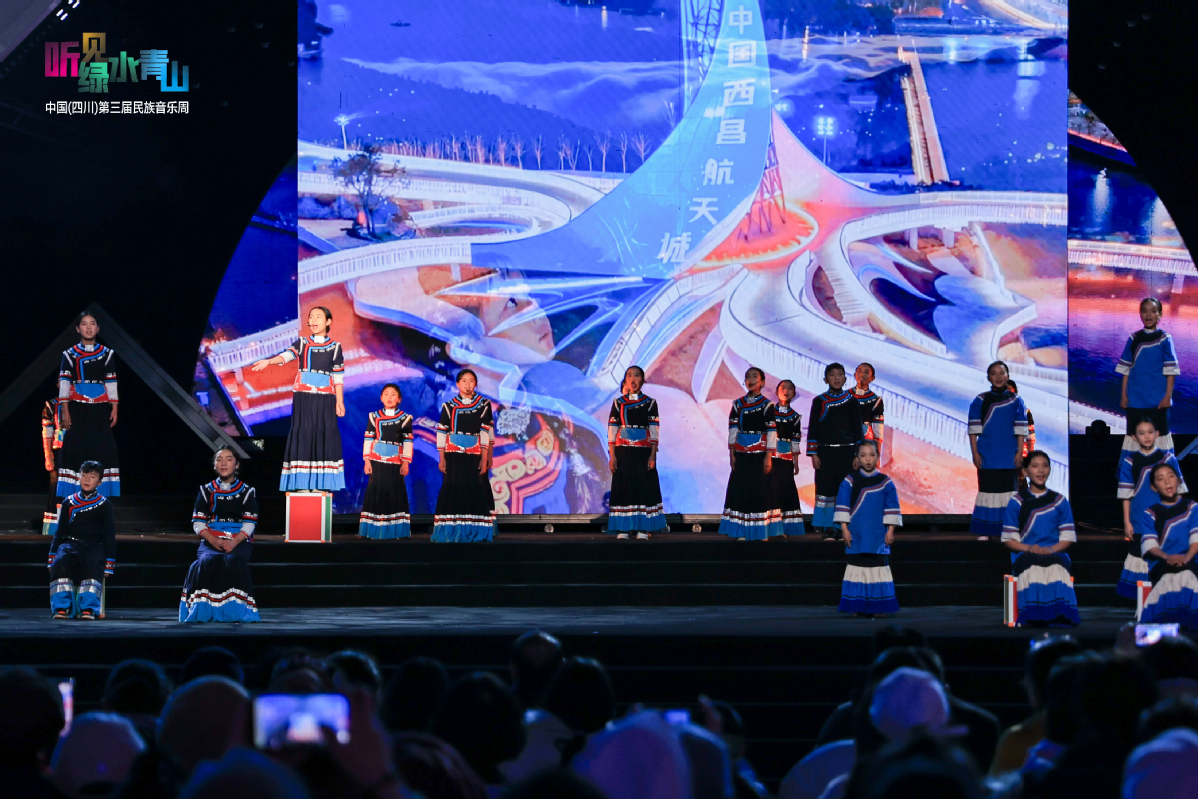
Under the warm winter sunshine, traditional music echoes through the mountains as the China (Sichuan) 3rd Ethnic Music Week opened on Thursday in Xichang, Liangshan Yi autonomous prefecture, Sichuan province, and will run for eight days.
The Ethnic Music Week has been held in Liangshan annually since 2023. The first two editions attracted nearly 100,000 people and close to 100 million online views. The event promotes ethnic music and boosts local culture and tourism.
Sichuan is home to 15 ethnic groups, including the Han, Yi, Tibetan, and Qiang people. Organizers said this year's event focuses on cultural exchange among ethnic groups and encourages new and creative ways to present traditional music.
The program includes two main events: the opening Ethnic Music Gala and the New Year Concert at its conclusion.
The opening ceremony began with a performance of the folk song The Sun Rises, Bringing Happiness. Musicians from different ethnic groups, dressed in traditional festive costumes, sang and danced to celebrate the event.
The New Year Concert will feature The Great River, a music-and-poetry production inspired by a long piece written by renowned Yi poet Jidi Majia, blending traditional elements with modern artistic expression.
In addition, there are six supporting activities, including music workshops, discussions and field trips. More than 200 young music creators are taking part to perform, share ideas, and develop new works.
During the music week, concerts will also be held on city streets and at tourist attractions, bringing music closer to everyday life.
"Sichuan has vibrant ethnic music traditions," said Jiang Hai, deputy director of the Sichuan provincial department of culture and tourism.
"For centuries, different ethnic groups have used music to record history and tell stories, creating a colorful, diverse music culture."
The China (Sichuan) Ethnic Music Week will be held annually, aiming to showcase outstanding ethnic music from China and the world while establishing itself as an important cultural symbol of Sichuan.
Bai Shuhao contributed to this story.




