


Credit repair policy to help boost vitality
Move to better address fallout of pandemic on household finances
By Zhou Lanxu | CHINA DAILY | Updated: 2025-12-23 09:02


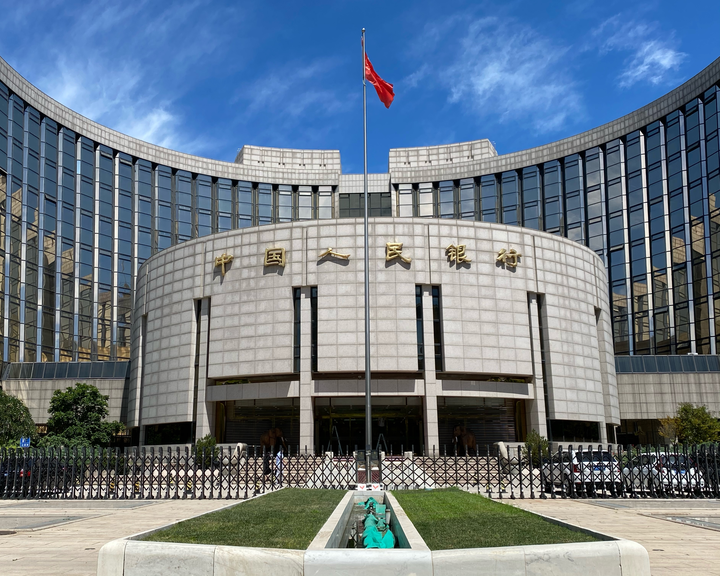
China's central bank unveiled a one-off credit repair policy on Monday, a move that officials and experts said is expected to improve the public's overall credit profile, reinvigorate market vitality and support a sustained economic recovery.
The policy is aimed at helping individuals with impaired credit records but active repayment behavior to rebuild credit, they said, and does not represent a relaxation of credit discipline.
A notice published by the People's Bank of China on Monday said that eligible personal overdue credit information will be removed from display in the central bank's credit reporting system if debts are fully repaid by March 31, 2026.
The policy, designed to better address the fallout of the COVID-19 pandemic on household finances, applies to single overdue amounts of no more than 10,000 yuan ($1,420) generated between Jan 1, 2020, and Dec 31, 2025, provided the debts are fully repaid by March 31, 2026.
If repayment is completed by Nov 30, 2025, the related overdue information will be removed from display starting Jan 1, 2026. For debts settled between Dec 1, 2025, and March 31, 2026, the information will be removed by the end of the following month.
The central bank added that eligible records will be automatically identified and processed by the credit reporting system, meaning individuals do not need to apply or submit any documents. Relevant entries in personal credit reports, including repayment status and overdue amount, will be adjusted accordingly.
PBOC Deputy Governor Zou Lan said that the policy does not differentiate among lending institutions or loan types, nor does it require applications or complex requirements, offering individuals who meet repayment obligations by the specified deadline a clear pathway to rebuild credit.
The policy is expected to generate positive effects on three fronts -giving individuals room to correct past missteps and improve credit standing; helping financial institutions better assess credit risks and enhance inclusive finance services; and strengthening society-wide awareness of creditworthiness.
Meanwhile, Zou said, the policy sets limits on overdue duration and amounts, and preserves credit restraints for unpaid or large overdue cases.
Zou said this approach upholds the "seriousness and binding force" of the credit reporting system and reinforces the bottom line of fulfilling contractual obligations.
Experts stressed that the measure is a precise repair, not "credit laundering", and does not exempt debts. Only full repayment qualifies for credit recording adjustments, with the accountability to repay debt remaining firmly intact.
Dong Ximiao, chief researcher at Merchants Union Consumer Finance, said the policy should not be misinterpreted as "credit laundering" as it is not a simple deletion of negative records. "It is a conditional, procedural and time-bound process."
Dong said the policy marks a shift from a system focused solely on credit discipline to one that gives weight to both discipline and repair.
"Providing clear pathways for credit repair can help ease any social tensions arising from credit distress, offer people hope, and promote greater social inclusiveness and harmony," Dong said. "It will also help unleash consumption potential and economic vitality."
Dong noted that once eligible credit records are repaired, individuals will be better positioned to access appropriate financial services.
"This will effectively release their consumption and entrepreneurial potential, playing a positive role in boosting consumption and expanding domestic demand," he said.
zhoulanxv@chinadaily.com.cn









Editor's Pick










