


Green shoots sprout in fashion landscape
Global brands' confidence in nation's luxury retail has strengthened on its large market scale and shifting consumption pattern of younger generation
By Wang Zhuoqiong | China Daily | Updated: 2025-12-24 10:08


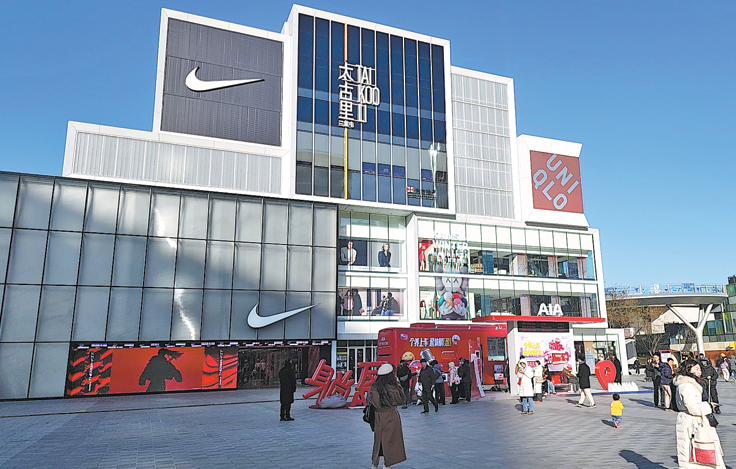
Also close by is the Tiffany & Co flagship, Saint Laurent Rive Droite, Rolex, as well as Polene debuting its first store in China, and Lemaire making its first market entry in the northern China marketplace.
Since October, more than 38 luxury brands have opened or renovated their stores across the Chinese market, including Chanel, Boucheron and Ralph Lauren, said LuxCo Intelligence.
The top global brands' new openings, backed by far-reaching extravagant marketing events, have brought worldwide attention to China.
In the case of Louis Vuitton's ship-shaped "The Louis", which opened in Shanghai on June 25, that has become a social phenomenon with integration of brands, shops and restaurants, exciting the general public and reviving neighborhood retail. The destination has attracted domestic and international tourists alike, Wu said.
He credited China's rising influence in the international fashion industry to its large market scale and its youthful energy.
"China's younger generations since the turn of this century have been an enormous driving force to help in our industry expansion, from those born in the 1980s, to those born in the 1990s, and now to include those born after the year 2000 — each wave more fashion sophisticated than the previous," said Wu.
Young Chinese consumers are most sensitive to global trends and readily embrace new products, styles and aesthetics.
"Fashion needs participation by young people always, and young Chinese people are active participants, adding to our never-wavering confidence in our future with China." Wu said. "We grow together with China, also welcoming the China market to become more influential in the global industry."
That influence, many industry executives feel, is no longer just about purchasing power. As Chinese consumers mature, they become more discerning across both imported and domestic brands. Emotional value, cultural resonance and storytelling connection are all increasingly central to consumption.








Editor's Pick










