Consumers warming to 'emotional' AI toys
By LI JIAYING | CHINA DAILY | Updated: 2026-01-28 07:08


Every night before going to bed, 27-year-old Nancy Liu places a small, warm device beside her pillow. It breathes softly, responds when she speaks, and remembers how her mood shifts from one day to the next.
"It feels like something is waiting for me," she said. "Not judging, not rushing — just there."
Liu is not describing a pet or a person, but an artificial intelligence companion toy — a quietly rising product category built for long-term companionship. Designed to grow over time, these devices learn users' habits and emotions, offering a steady sense of presence in moments of loneliness.
The rising consumer demand was on full display at the recently concluded tech show CES 2026 in Las Vegas, Nevada, in the United States, where about 60 AI toy and companion robot companies participated, with Chinese enterprises accounting for more than 80 percent of the total exhibitors.
Among the crowd of blinking, talking and rolling devices, one Chinese product stood out. Billed as the world's first emotionally intelligent and "physically growing" AI pocket pet, Sweekar drew sustained attention from visitors.
Unlike traditional virtual pets, the palm-sized AI toy can evolve through distinct physical stages — egg, baby, teen and adult — mirroring the passage of time. It also simulates body warmth and gentle breathing rhythms to heighten realism, said Irving Gao, founder and CEO of Takway. AI, a startup based in Shenzhen, Guangdong province, behind the product.
"This physical growth unfolds in sync with the AI companion's emotional development, personality formation and depth of interaction," Gao said. "Together, they create a long-term companionship experience built around emotional connection with users."
Gao said that powered by a core research and development team of engineers born after 2000, the startup plans to launch Sweekar on a crowdfunding platform between April and May, with an estimated price range of $150 to $200.
The AI gadget's debut is emblematic of a much broader surge. According to data from major e-commerce platform Taobao, transaction volumes for AI toys jumped more than 1,600 percent year-on-year in 2025, with the niche sector entering the platform's annual top 10 product categories for the first time. On e-commerce giant JD.com, sales of AI toys last year approached 700 million yuan ($100 million), with nearly 7 million units sold.
Jiang Han, a senior analyst at market consultancy Pangoal, said:"AI-powered toys have clear potential as a new driver of consumption. They blend emotional consumption with technology, tapping into multiple trillion-yuan markets — from children's education and Gen Z emotional needs to the silver economy — and could become the next growth engine after smart home devices."
For many elderly users, companionship begins with being understood. JD.com's "chatty parrot" AI companion robot chats in familiar dialects, reminds users about health routines and fills quiet afternoons with beloved operas and classic storytelling. Priced at just 159 yuan, it also doubles as a silent guardian, offering emergency alerts, access to JD Health services and activity updates shared with family members — blending warmth with reassurance.
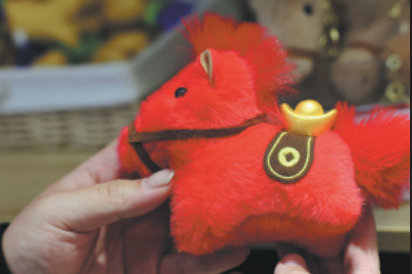
For younger consumers, emotional appeal takes a softer, fluffier form. Shanghai-based startup Robopoet's Fuzozo — a purring, plush AI companion priced at around 400 yuan — responds to touch, reacts with subtle sounds and offers comfort without demands. The toy quickly struck a chord with Gen Z shoppers, topping AI toy sales rankings on both JD and Tmall during last year's Double 11 shopping festival.
"Demand is becoming clearly segmented across children, young adults and seniors, showing that market education is beginning to take effect and consumer awareness is taking shape," said Jiang, the market analyst.
lijiaying@chinadaily.com.cn