Southeast Asia eyes deeper cooperation
Chinese investment and tech transfer seen as benefiting APEC economies
By YANG HAN in Shenzhen, Guangdong | China Daily | Updated: 2026-11-18 10:44


Asia-Pacific Economic Cooperation member economies from Southeast Asia are eyeing further business and investment cooperation with China, especially in advanced manufacturing and technological innovation, according to officials.
"The APEC Shenzhen (meeting) provides a good platform for open, inclusive and sustainable economic and technological cooperation among all the APEC (economies), including Malaysia," said Safwan Nizar Johari, acting director of the Malaysian Investment Development Authority Guangzhou.
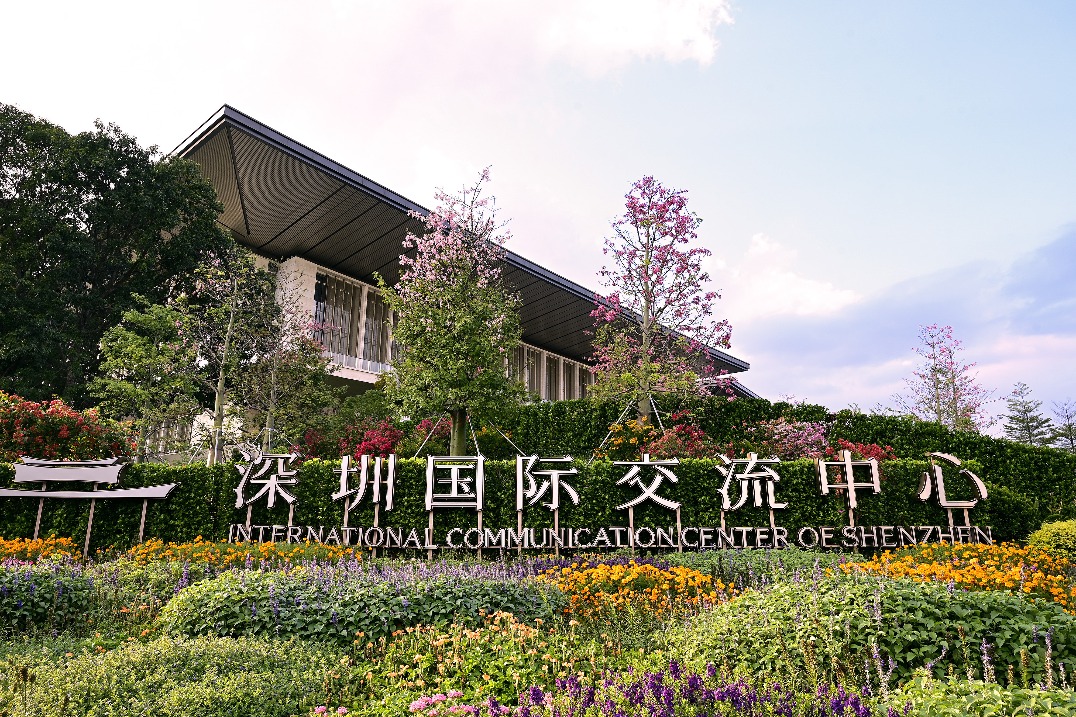
The 33rd APEC Economic Leaders' Meeting is being held on Wednesday and Thursday in the Chinese city of Shenzhen, often known as China's innovation hub and a pioneer of the country's reform and opening-up.
As the host of APEC 2026, China has set a theme of "Building an Asia-Pacific Community to Prosper Together", with openness, innovation, and cooperation as its three priorities.
Speaking to China Daily in Shenzhen on the sidelines of a business event about supporting Chinese enterprises going overseas, Safwan said that Malaysia and China should further strengthen cooperation in high-value activities such as advanced manufacturing and high-tech industries, especially semiconductors and electronics.
He said investments in traditional industries such as medical devices and pharmaceuticals remain welcome, adding that cooperation should go beyond investments to research and development, talent cultivation, and supply chain integration.
Safwan, who has also worked at the Malaysian consulate in Guangzhou for more than five years, said the Guangdong-Hong Kong-Macao Greater Bay Area is currently the top source of investment from China in Malaysia, and Chinese government policies promoting the GBA are also benefiting Malaysia in terms of investment and technological cooperation.
Strong ecosystem
Noting China has a strong, comprehensive industrial ecosystem, together with a large domestic market for commercialization, Safwan said these strengths can contribute to Malaysia-China cooperation.
"From Malaysia's perspective, we don't see China only as one of the important sources of investment … We believe China is also an important technological and innovation partner," said Safwan, noting Chinese investment and technology transfer can create spillover benefits into Southeast Asia.
Siwadee Suksawate, director of the Thailand Board of Investment's Guangzhou Office, said the government agency hopes to enhance cooperation between Thailand and China during this year's APEC meetings.
In particular, Siwadee said many leading Chinese electric vehicle makers, such as BYD and Chery, have already expanded to the Thai market and some even set up large-scale manufacturing capability by connecting with Thailand's strong supply chain ecosystem and local partners.
Chinese EV brand investment has also created huge opportunities for the whole industrial chain, ranging from key part manufacturing to automation service providers to charging stations, she said.
Noting Thailand is a major manufacturing base for printed circuit boards in the Association of Southeast Asian Nations region, Siwadee said this will also offer opportunities for investors in integrated circuit design, assembly, and testing, and even semiconductor equipment manufacturing.
After the APEC meetings, Siwadee said she hopes to see deeper and stronger cooperation between Thailand and China in both directions, and she welcomes more investment from China to Thailand.
"I believe that after the APEC meetings … we can attract more investment from China," said Siwadee, adding that she believes the Shenzhen meeting, in particular, will allow Thailand to attract more investment in high-tech and innovative industries.
Beyond EV and electronics, she said Thailand also hopes to attract more investment in automation and humanoid robotics.
kelly@chinadailyapac.com
Photo