


Industrial upgrading and modernization will strengthen backbone of economy: China Daily editorial
chinadaily.com.cn | Updated: 2026-01-21 20:42


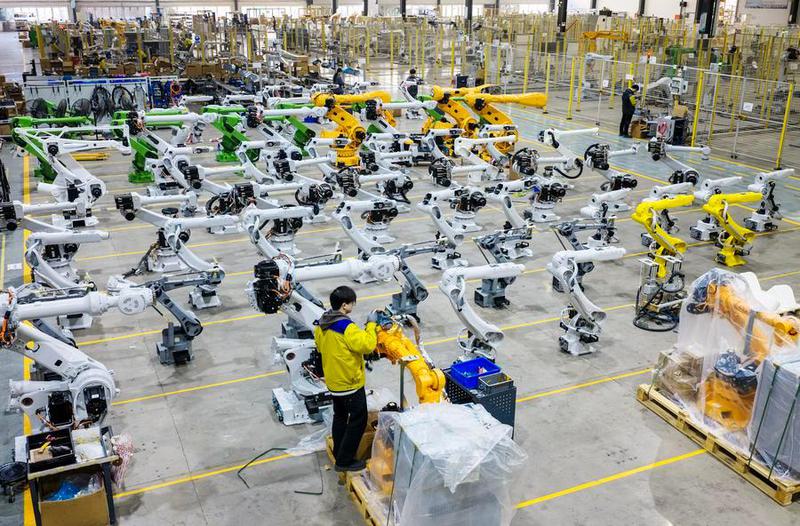
China's industrial economy has demonstrated its resilience, vast potential and strong vitality over the past five years. The steady and positive trend bodes well for its development over the next five years, which will be a critical period for the country to build a modern industrial system.
The central leadership's recommendations for the 15th Five-Year Plan (2026-30) call for vigorously accelerating the establishment of a modern industrial system, with advanced manufacturing as its backbone.
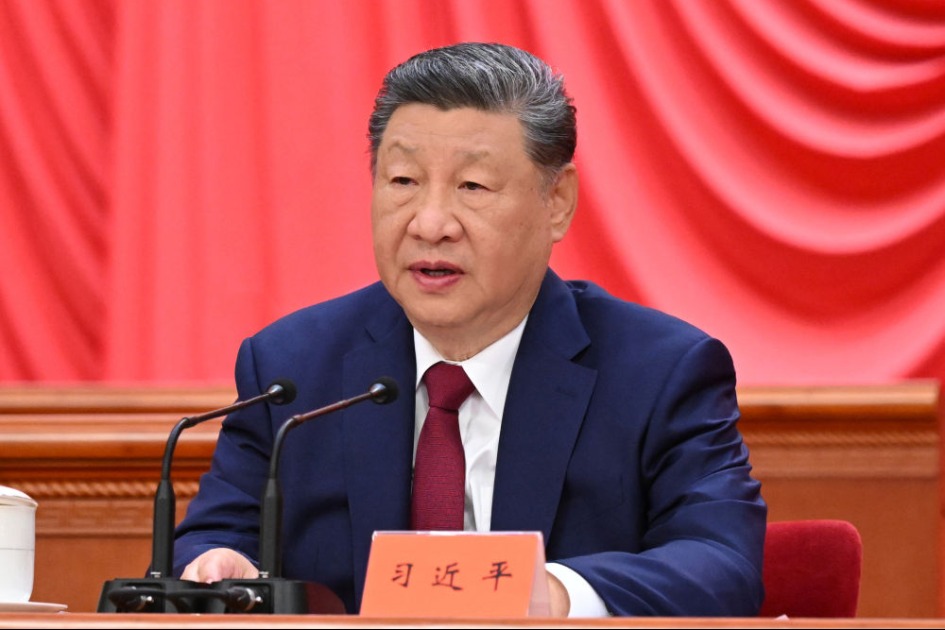
President Xi Jinping's remarks at the opening of a study session for principal officials at the provincial and ministerial levels in Beijing on Tuesday further underscored that building a modern industrial system and achieving an overall industrial structure upgrade are key strategic tasks for the 15th Five-Year Plan period. Xi also emphasized the importance of maintaining a reasonable share of manufacturing in the economy, and of developing advanced manufacturing vigorously.
These instructions reflect a clear-eyed assessment of China's stage of development and of the increasingly complex domestic and international environment. It is against this backdrop that the world's second-largest economy must chart its course.
Manufacturing is of strategic significance to the sustainability and fitness of China's economy. Data from the National Bureau of Statistics show that China's manufacturing value-added reached 34.7 trillion yuan ($4.98 trillion) in 2025, up 6.1 percent year-on-year and accounting for about 25 percent of the country's GDP. China's manufacturing scale is expected to rank first globally for the 16th consecutive year, providing strong support for higher quality economic growth.
But some structural challenges cannot be overlooked. Over the past decade, the share of manufacturing in China's GDP has gradually declined, from nearly 30 percent in the mid-2010s to around 25 percent in recent years. While the expansion of the service sector is a natural feature of economic upgrading, a vibrant manufacturing sector of sufficient scale is still essential to sustain long-term growth.
The experience of the United States offers a cautionary lesson for China. The sharp decline in manufacturing's share of GDP after the 1980s was accompanied by the hollowing out of industries and significant job losses in key sectors. This highlights the importance of maintaining a reasonable manufacturing base while steadily moving up the value chain.
China's manufacturing sector is already undergoing profound transformation. In 2025, the value added from equipment manufacturing and high-tech manufacturing accounted for 36.8 percent and 17.1 percent, respectively, of total industrial value added above designated size. Breakthroughs in advanced equipment, intelligent manufacturing and emerging industries are giving "Made in China" a stronger technological and innovation-driven profile.
But traditional industries still account for the bulk of manufacturing value-added, and progress in digitalization and green transformation of industries remains uneven. Meanwhile, supply chains face growing external pressures amid rising protectionism, and resource and environmental constraints are intensifying as China advances toward its carbon peaking and neutrality goals. Dependence on imported core technologies still persists in areas such as high-end chips and industrial software.
Addressing these issues calls for openness, efficiency and sustainability, supported by coordinated, market-oriented and forward-looking solutions in policy, legislature and practices. The goal is to ensure that the manufacturing sector advances in line with real market demand and technological progress, and balances scale with quality.
Digital transformation plans for traditional industries, such as textiles, light industry, food and pharmaceuticals, are already being rolled out. At the same time, a group of leading factories is being cultivated to guide the broader upgrading of industry by providing replicable practices and scalable technical guidelines, standards and solutions.
Equally important is integrating industrial upgrading with green development. Industrial energy consumption still accounts for a large share of national usage, making the low-carbon transformation of industry imperative. But it is also a new source of competitiveness. The rapid growth of green products such as wind turbines, new energy vehicles and bio-based materials shows that sustainability, when addressed through innovation, can become a powerful driver of growth.
Maintaining a clear strategic focus on manufacturing — especially advanced manufacturing — is crucial for the country to navigate uncertainties, safeguard economic security and foster new quality productive forces. This would help ensure that high-quality development rests on a solid and enduring foundation during the new five-year plan period and beyond.
Building a modern industrial system is ultimately about China doing its own things well. It will anchor the country's development firmly in the real economy while opening new space for productivity gains.






Editor's Pick










