


'Qinggong' : From sacrificial rituals to Chinese aesthetics
chinadaily.com.cn | Updated: 2026-01-28 11:16


Aesthetic transformation
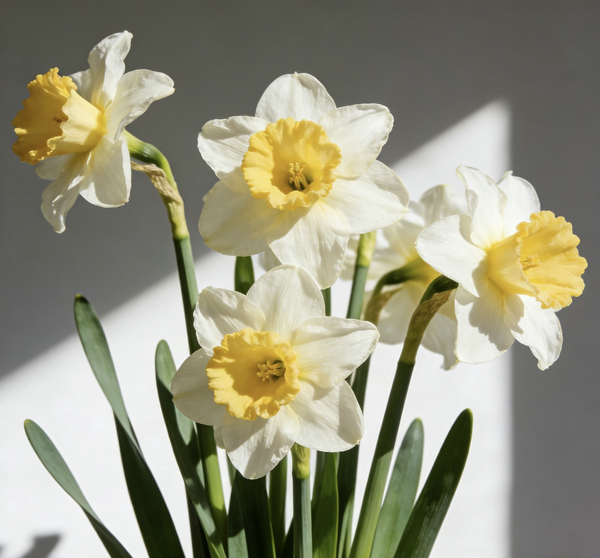
At the same time, scholars of the Wei and Jin dynasties began placing small, clean objects — such as exotic stones, fragrant herbs and simple utensils — on their desks, not for sacrifice, but as reflections of their noble aspirations. This marked the first step toward qinggong's aesthetic transformation, laying the groundwork for the "desk qinggong" of later generations.
The Tang and Song dynasties (618-1279) represented the golden age of qinggong, as it evolved from a religious ritual into a dual carrier of scholarly aesthetics and folk blessing, with the name "qingtong" becoming widely established.
The Song Dynasty saw the rise of a prosperous scholar class, who embraced an elegant lifestyle. Literati like Su Shi and Huang Tingjian promoted "desk qinggong", arranging exotic stones, ancient artifacts, potted plants, and flowers (such as plum blossoms, orchids and asparagus ferns) in their studies.
These offerings were not for worship but for spiritual enjoyment, transforming qinggong into a practice of self-cultivation and emotional sustenance. The emphasis shifted to "simplicity and refinement", with offerings valued for their purity and charm rather than what they cost — a single exotic stone could symbolize mountains and rivers, while a plum blossom represented integrity.
Related Stories







Editor's Pick










