


'Qinggong' : From sacrificial rituals to Chinese aesthetics
chinadaily.com.cn | Updated: 2026-01-28 11:16


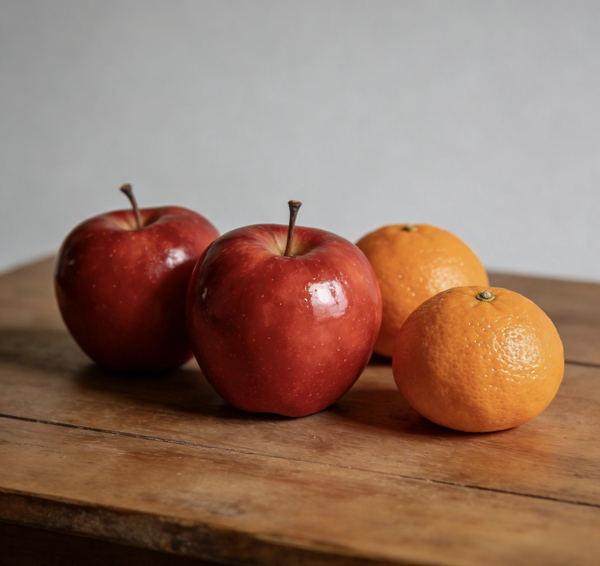
Qinggong scenes also became a popular theme in Song paintings, spreading its cultural influence. Among the common people, the rise of urban culture popularized "festival qinggong" during Spring Festival. Families placed apples, oranges, and rice cakes on their main hall altars, combining the traditional ritual of honoring heaven and ancestors with new folk meanings — apples symbolized "peace" (ping'an), and oranges symbolized "auspiciousness" (jili). Qinggong had officially entered ordinary households.
The Yuan, Ming and Qing dynasties (960-1911) solidified qinggong's cultural significance, with its forms and categories becoming standardized. Scholarly qinggong grew more exquisite, incorporating cultural relics, jade, porcelain, and calligraphy, and emphasizing artistic composition — such as "one vase, one flower; one stone, one utensil".
In modern times, qinggong's sacrificial function has diminished, but its aesthetic and folk blessing roles endure. Spring Festival qinggong remains a beloved tradition — while strict sacrificial rituals are no longer observed, families still place golden oranges, daffodils, apples, and Buddha's hand citrus, carrying forward the timeless aspirations for good fortune, renewal and prosperity.
Related Stories







Editor's Pick










