


Experts: El Nino, global warming heighten climate risks in flood season
By ZHAO YIMENG | chinadaily.com.cn | Updated: 2026-06-25 20:14


Amid a rapidly developing El Nino event and long-term global warming, China is facing a complex mix of climate-related risks this flood season, increasing the likelihood of heat waves, uneven rainfall distribution and changes in typhoon activity.
The National Climate Center has announced that the El Nino conditions have been observed in the equatorial central and eastern Pacific. As sea surface temperatures continue to rise, a moderate to strong El Nino event is expected to develop during the summer and autumn.
El Nino's influence extends beyond weather patterns. Through interactions between the ocean and atmosphere, the phenomenon can affect the Asian monsoon system and trigger cascading impacts across key sectors of China's economy, said Li Xiang, a senior engineer at the center.
"Agriculture, energy, infrastructure and transportation are among the sectors most vulnerable to El Nino-related disruptions," Li said.
The center forecasts above-average temperatures during China's main flood season and an increasingly uneven distribution of water resources across regions. According to the center, these conditions could complicate electricity supply, particularly during periods of peak summer demand, and increase operational pressure on China's energy system.
Luo Jingjia, a professor at Nanjing University of Information Science and Technology, said the power sector faces a dual challenge. While drought conditions in some areas may reduce hydropower generation, extreme heat could simultaneously drive up electricity demand for cooling.
Renewable energy systems could also face uncertainties, such as reduced solar photovoltaic generation efficiency caused by persistent rainfall and wind turbine damage resulting from extreme winds, he said.
"The risks are not limited to energy," Luo said, adding that the impacts may spread to agriculture, transportation and people's daily lives.
To address these threats, meteorological authorities are expanding their role beyond forecasting and warning services. Officials are strengthening sector-specific climate risk assessments and providing quantitative analyses to support decision-making in relevant industries.
Luo suggested longer-term resilience measures, including improving interprovincial power transmission networks, expanding energy storage capacity and strengthening coordination among hydropower, thermal power and renewable energy sources.
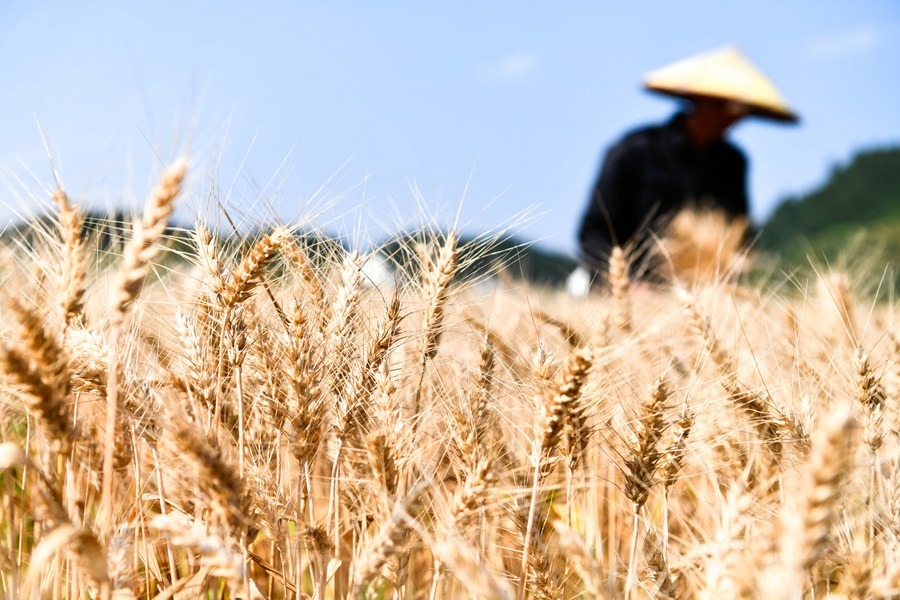
In agriculture, specialists advocate increasing disaster-relief reserves, improving pest-control preparedness and expanding irrigation flexibility.
They also recommend conducting climate stress tests on critical infrastructure, including transportation hubs, underground urban facilities, aging residential communities and reservoirs vulnerable to extreme weather.
Financial and insurance tools can further help absorb climate-related losses, experts said. Expanding agricultural insurance coverage and improving compensation mechanisms could help communities and businesses recover more quickly from disasters linked to extreme weather events.
Dong Xinning, a senior engineer at the Chongqing Climate Center, urged residents to rely on official weather warnings, avoid misinformation and take practical steps to reduce risks.
He encouraged households to familiarize themselves with warning systems, prepare basic emergency kits and develop disaster-response habits as part of everyday life. During evacuation orders, residents should remain calm, follow instructions from emergency personnel and prioritize safety over property, he said.







Editor's Pick










